Tennis Elbow & Golfer’s Elbow Treatment in Houston, TX
Tennis elbow and golfer’s elbow are common overuse injuries that affect athletes, desk workers, and manual laborers alike. At MVMT Chiropractic, we treat both conditions with advanced shockwave therapy, laser therapy, and targeted rehabilitation — delivering real tissue healing, not just symptom relief. Call (832) 391-8077 to schedule in today.
What Is Tennis Elbow? (Lateral Epicondylopathy)
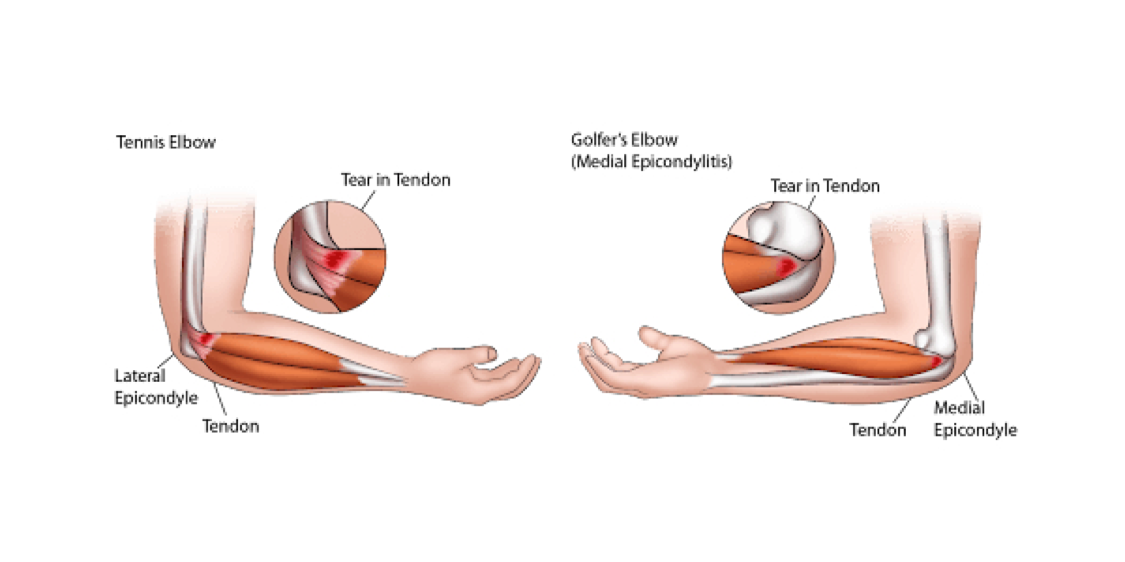
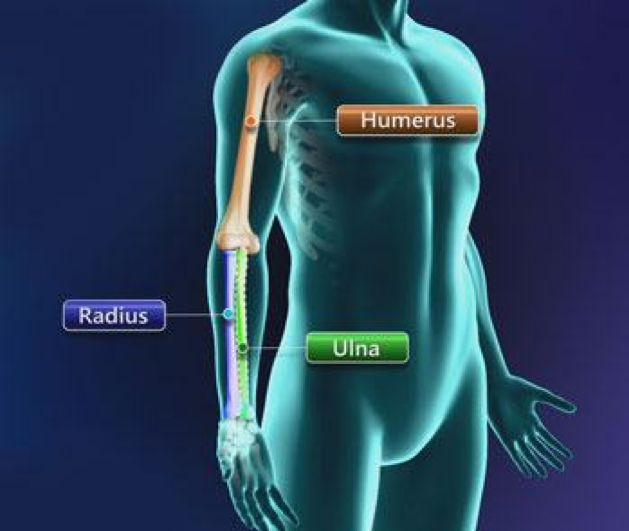
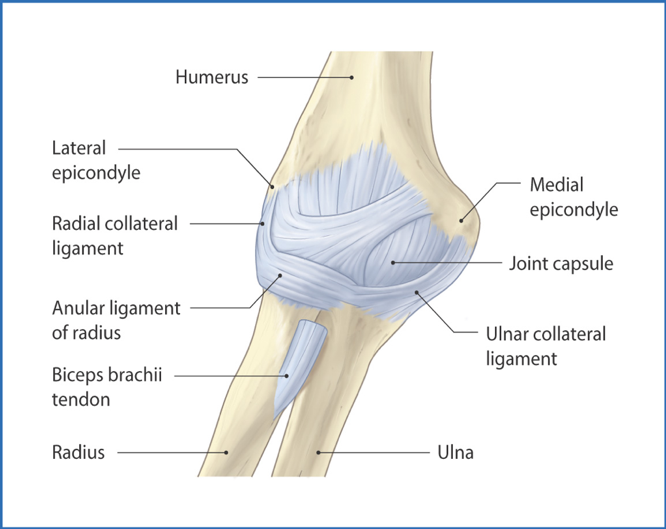
Tennis elbow — clinically known as lateral epicondylopathy — is an overuse injury affecting the extensor muscles of the wrist and forearm. The most commonly involved structure is the extensor carpi radialis brevis (ECRB) tendon, which attaches to the lateral (outer) epicondyle of the humerus at the elbow. Repetitive gripping, wrist extension, and forearm rotation activities gradually overload and degenerate this tendon, causing pain and functional limitation on the outside of the elbow.
Despite its name, tennis elbow is more commonly seen in non-athletes than tennis players. It is extremely prevalent in people who work at computers, perform repetitive manual tasks, or engage in activities requiring frequent wrist extension and gripping.
Symptoms: Pain and tenderness on the outer elbow, pain that worsens with wrist extension, gripping, and activities like shaking hands or turning a doorknob, and sometimes forearm weakness.
What Is Golfer’s Elbow? (Medial Epicondylopathy)
Golfer’s elbow — clinically known as medial epicondylopathy — involves the flexor muscles of the forearm at the medial (inner) epicondyle of the elbow. Like tennis elbow, it is primarily an overuse condition caused by repetitive loading of the wrist flexors and forearm pronators.
Symptoms: Dull, aching pain on the inner elbow that develops gradually and may become sharp with activity such as gripping, throwing, or swinging. Pain can radiate into the forearm and is often accompanied by stiffness, particularly in the morning.
Shockwave Therapy for Elbow Tendinopathy
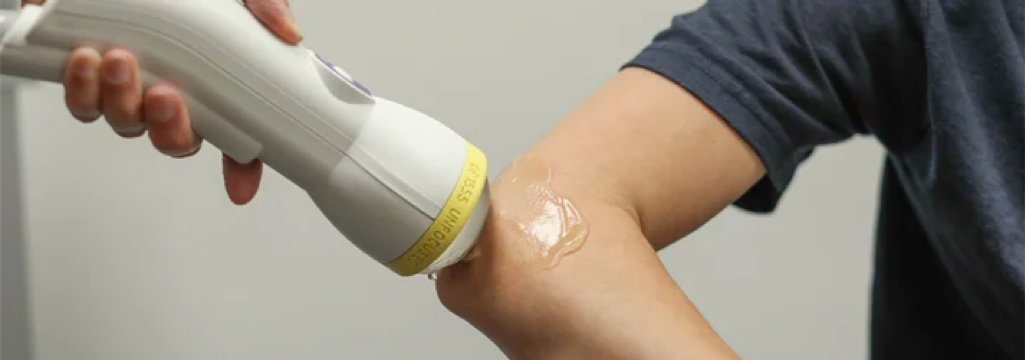
Shockwave therapy is one of the most effective treatments available for chronic elbow tendinopathy. The acoustic energy decreases inflammation, generates new blood vessel formation to the degenerated tendon, and recruits migratory stem cells to the treatment area — driving genuine tissue repair at the cellular level. This is especially important for chronic cases where the tendon has undergone degenerative changes that respond poorly to passive treatments alone.
MLS Laser Therapy for Elbow Pain
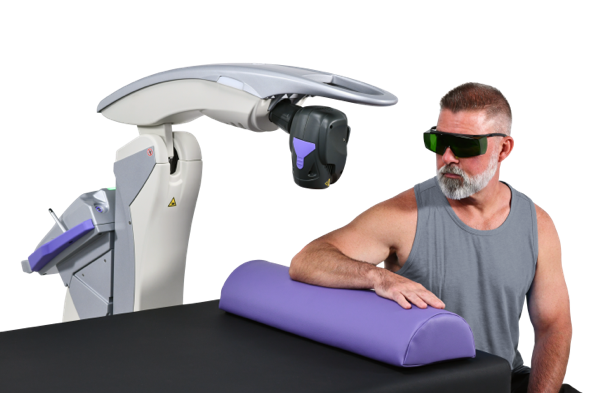
In more severe cases, MLS Laser Therapy is used in combination with shockwave to further accelerate the healing process. Our MLS laser targets light receptors within cells to stimulate metabolic pathways that improve blood flow, reduce inflammation, and increase cellular energy production — complementing the tissue-regenerative effects of shockwave.
Manual Therapy, Dry Needling & Corrective Exercises
Manual therapy to the forearm and elbow reduces muscle tension, scar tissue, and soft-tissue restrictions that contribute to ongoing pain and limit recovery. Dry needling of the forearm musculature and directly into the affected tendon can accelerate healing and provide meaningful pain relief.
Targeted therapeutic exercises — including eccentric and progressive resistance protocols — restore tendon strength and resilience and are a critical component of preventing recurrence. Your home exercise program will be specific to your condition, your sport or occupation, and your goals.
Call (832) 391-8077 or visit our River Oaks, Memorial, or Heights location to get started.
Tennis Elbow & Golfer’s Elbow — Frequently Asked Questions
What is the difference between tennis elbow and golfer’s elbow?
Tennis elbow (lateral epicondylopathy) affects the outer elbow and involves the wrist extensor tendons. Golfer’s elbow (medial epicondylopathy) affects the inner elbow and involves the wrist flexor tendons. Both are overuse conditions but affect opposite sides of the elbow.
Do I have to play tennis or golf to get these conditions?
No. Despite their names, both conditions are more commonly caused by non-sport activities — repetitive computer use, manual labor, gripping tools, and occupational tasks. Any activity involving repetitive wrist or forearm loading can cause these conditions.
How is tennis or golfer’s elbow treated at MVMT Chiropractic?
Treatment at MVMT Chiropractic typically involves shockwave therapy, MLS laser therapy in more severe cases, manual therapy, dry needling, and targeted therapeutic exercises. Your provider will design a plan specific to your condition.
Can shockwave therapy cure tennis elbow?
Shockwave therapy has strong clinical evidence for treating chronic tennis and golfer’s elbow, driving genuine tendon tissue repair — not just symptom management — making it particularly effective for cases that have persisted for months or failed other treatments.
How long does it take to recover from tennis elbow or golfer’s elbow?
Most patients begin to notice improvement within 4 to 8 weeks of beginning treatment. Chronic cases may require a longer course of care. Compliance with your home exercise program is one of the most important factors in recovery speed.
Can I continue my sport or job while being treated?
In most cases, some level of activity can be maintained with modifications. Your provider will advise on which activities to reduce or modify during treatment to protect the healing tendon while minimizing disruption to your daily life and sport.
Is surgery ever needed for tennis or golfer’s elbow?
Surgery is rarely necessary. The vast majority of patients achieve full recovery with conservative treatments including shockwave therapy, laser therapy, and rehabilitation.