Achilles Tendonitis Treatment in Houston, TX — Non-Surgical Relief for Heel and Ankle Pain
Achilles tendonitis is one of the most common lower leg injuries we treat at MVMT Chiropractic — and with the right care, 85% of patients achieve excellent results without surgery. Whether you’re a runner, a weekend warrior, or someone whose Achilles pain developed gradually over time, our Houston team has the tools and expertise to get you back on your feet. Call (832) 391-8077 to schedule in today.
What Is Achilles Tendonitis?
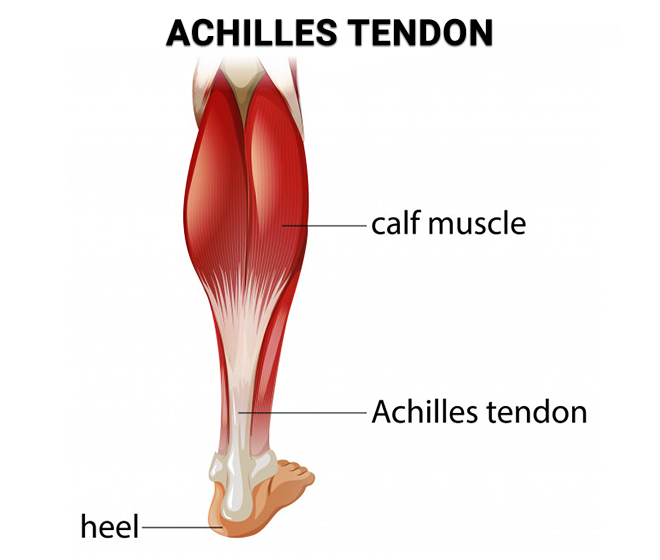
The Achilles tendon is the largest and strongest tendon in the body, connecting the calf muscles (gastrocnemius and soleus) to the heel bone. Despite its size and strength, it is highly vulnerable to the repetitive and high-force demands placed on it during activity. Running alone can transmit forces equivalent to 12 times body weight through the Achilles tendon with each stride — making it one of the most stressed tendons in the lower extremity.
Achilles tendonitis develops when repetitive loading creates micro-tears in the tendon, leading to inflammation, cellular changes, and — if not addressed — progressive tendon degeneration (tendinopathy). Injury typically occurs at the heel (insertional tendinopathy) or in the mid-portion of the tendon approximately 2 to 6 centimeters above the heel (non-insertional tendinopathy), which is the structurally weaker section.
Who Gets Achilles Tendonitis?
Two-thirds of all Achilles tendon injuries occur in athletes, and runners are up to 10 times more likely than non-runners to suffer Achilles tendon problems. The condition is most common in men between 30 and 50 years of age. Key risk factors include:
- Rapid increases in training volume or intensity — the most common cause in recreational athletes
- Inadequate warm-up and cool-down
- Calf muscle tightness or weakness
- Poor foot mechanics (excessive pronation or supination)
- Unsupportive or worn-out footwear
- Training on hard or uneven surfaces
- Prior Achilles injury
Symptoms of Achilles Tendonitis
Common symptoms include:
- Pain and stiffness along the Achilles tendon, particularly in the morning
- Tenderness when pressing on the tendon
- Swelling or thickening of the tendon
- Pain that worsens during or after activity
- Reduced ankle range of motion and calf flexibility
Treatment Options at MVMT Chiropractic
At MVMT Chiropractic, we take a multi-modal approach to Achilles tendonitis that addresses both the acute symptoms and the underlying tissue pathology driving the condition.
Shockwave Therapy
Shockwave therapy is one of the most effective treatments for Achilles tendinopathy, with strong clinical evidence supporting its use for both insertional and non-insertional presentations. The acoustic waves stimulate new blood vessel formation, recruit the body’s own stem cells and growth factors to the degenerated tendon, and directly initiate the tissue repair process. For chronic cases that haven’t responded to other treatments, shockwave therapy often produces results when nothing else has.
Manual Therapy and Dry Needling
Manual therapy to the calf, lower leg, and foot reduces muscle tension that places excessive strain on the tendon. Dry needling targets trigger points in the gastrocnemius and soleus and can be applied directly to the tendon tissue to stimulate a healing response. Together, these techniques address both the muscular contributors and the tendon pathology itself.
Therapeutic Exercises
Eccentric and heavy slow resistance calf exercises — performed under your provider’s guidance — are among the most evidence-based treatments for Achilles tendinopathy. Your home exercise program will include progressive loading protocols designed to stimulate tendon remodeling, rebuild strength, and reduce the risk of reinjury.
What You Can Do Between Visits
Your provider at MVMT Chiropractic will guide you on activity modification and self-care strategies, which typically include:
- Temporarily reducing or modifying high-impact activity — runners may switch to swimming or cycling during recovery
- Avoiding increasing training volume or intensity by more than 10% per week
- Prioritizing thorough warm-ups before activity to improve blood flow and tendon preparedness
- Avoiding flat shoes and high heels, which can shorten the calf and increase tendon strain
- Consistent compliance with your prescribed home exercise program
Call (832) 391-8077 to schedule at our River Oaks, Memorial, or Heights Houston location today.
Achilles Tendonitis — Frequently Asked Questions
What causes Achilles tendonitis?
Achilles tendonitis is most commonly caused by repetitive overloading of the tendon — particularly rapid increases in training volume or intensity. Additional causes include calf tightness, poor foot mechanics, inadequate warm-up, and unsupportive footwear. It is especially prevalent in runners and middle-aged men.
Can Achilles tendonitis heal without surgery?
Yes. 85% of patients with Achilles tendonitis achieve excellent results with conservative treatment. At MVMT Chiropractic, shockwave therapy, manual therapy, dry needling, and therapeutic exercises produce reliable, lasting relief without the risks and recovery time associated with surgery.
How long does it take to recover from Achilles tendonitis?
Recovery time varies depending on the severity of the tendinopathy and how long the condition has been present. Most patients begin to notice meaningful improvement within 4 to 8 weeks of starting treatment at MVMT Chiropractic. Chronic cases may require a longer treatment course, but consistent care consistently produces improvement.
Can I run with Achilles tendonitis?
In many cases, some level of running can be maintained with appropriate load management. Your provider will assess your specific presentation and guide you on safe activity levels. Most runners need to temporarily reduce mileage and modify their training — but complete rest is rarely the best approach.
What is the difference between insertional and non-insertional Achilles tendinopathy?
Insertional tendinopathy involves the point where the tendon attaches to the heel bone and often develops alongside heel spurs. Non-insertional tendinopathy occurs in the mid-portion of the tendon (about 2 to 6 centimeters above the heel) — the structurally weaker section more commonly injured in runners and younger athletes.
Is shockwave therapy effective for Achilles tendonitis?
Yes. Shockwave therapy has strong clinical evidence for both insertional and non-insertional Achilles tendinopathy, particularly for chronic cases that have not responded to more conservative approaches. It stimulates real tissue repair rather than simply managing symptoms.
What exercises are best for Achilles tendonitis?
Eccentric and heavy slow resistance calf exercises are the most evidence-based approach to Achilles tendinopathy rehabilitation. Your MVMT Chiropractic provider will prescribe a specific progressive loading program tailored to your condition — which is a critical component of achieving lasting recovery and preventing recurrence.