Disc Herniation & Disc Protrusion Treatment in Houston, TX
A disc herniation can be one of the most painful and disabling spinal conditions — but for most patients, surgery is not necessary. At MVMT Chiropractic, our Houston chiropractors use spinal decompression, chiropractic adjustments, and advanced therapies to relieve disc pain and help patients avoid surgery. Call (832) 391-8077 to schedule your evaluation in today.
What Is a Disc Herniation?
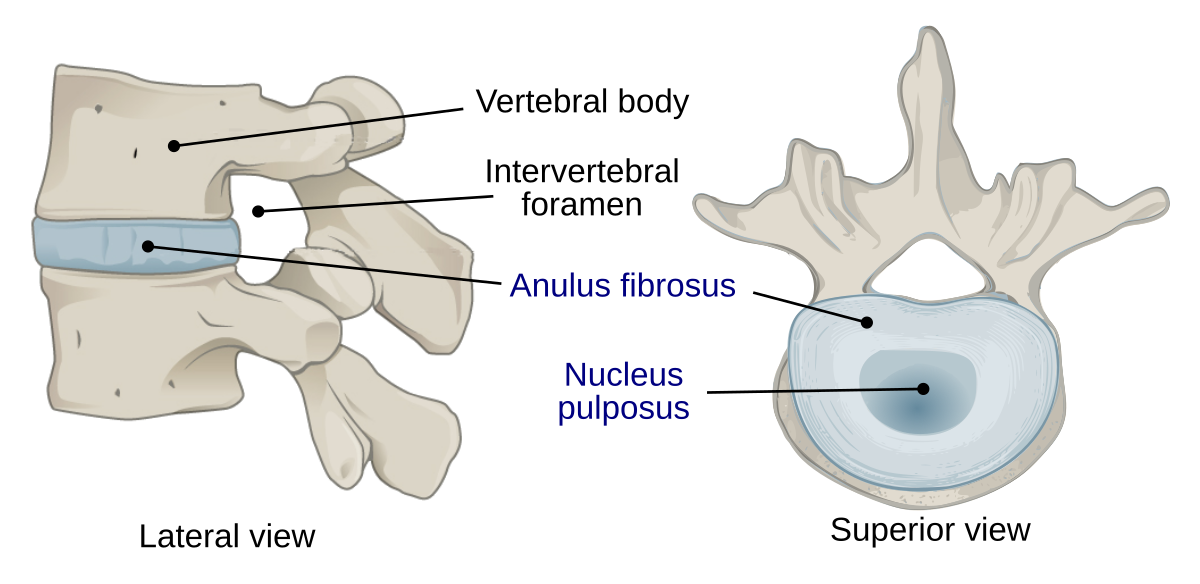
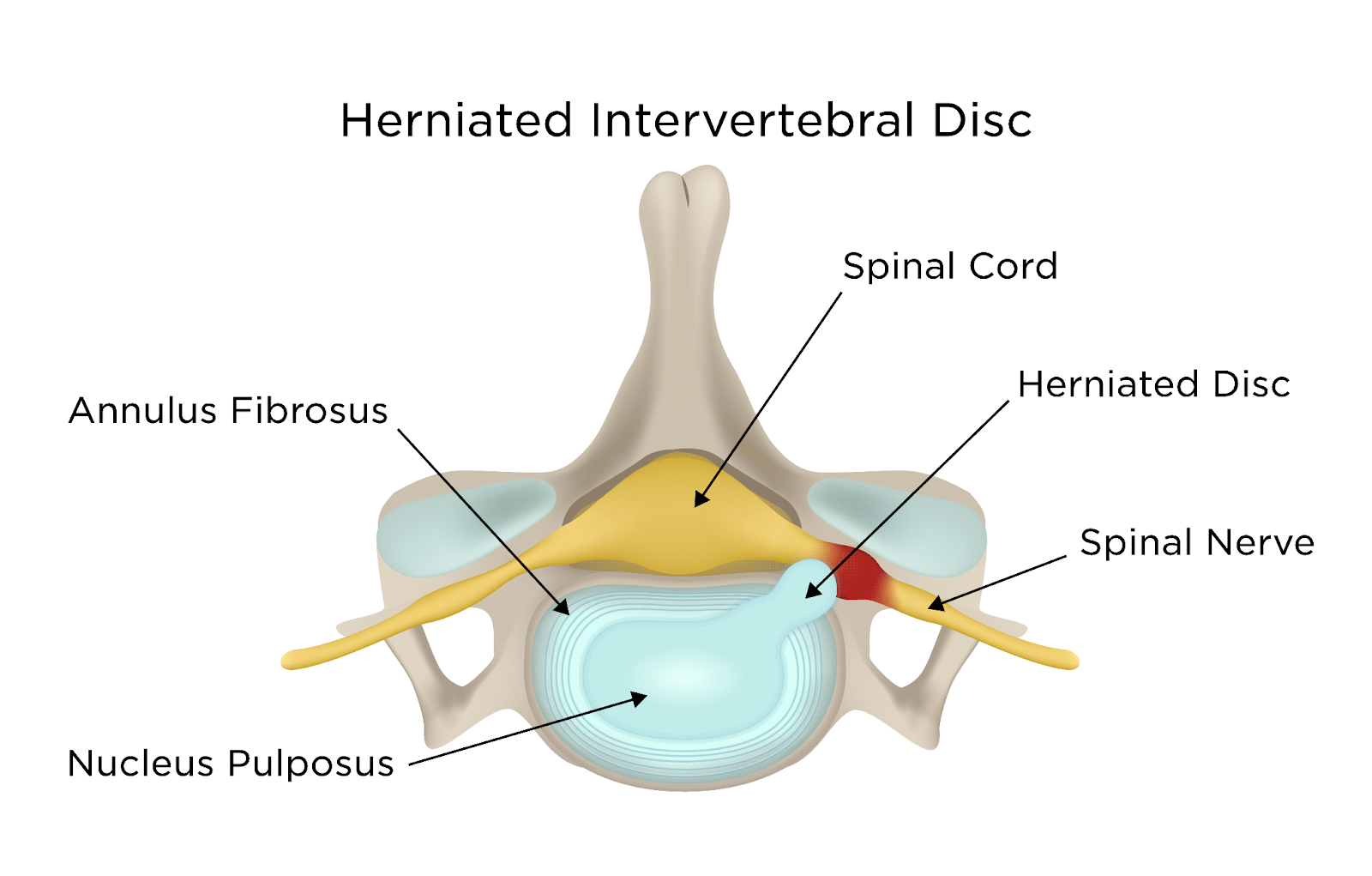
Your spine is made up of 24 vertebrae, each separated by an intervertebral disc that acts as a cushion and shock absorber. Each disc has two main components: the nucleus pulposus — a soft, gel-like center — and the annulus fibrosus — a series of tough, concentric rings that encircle and protect the nucleus. When the annulus is weakened by repetitive stress, aging, or acute trauma, the inner nucleus can push outward through the compromised rings — this is a disc herniation or protrusion.
An important fact: one-third of adults have disc herniations on imaging and experience no symptoms at all — disc changes are a natural part of aging. However, when a herniation causes significant inflammation or directly compresses a spinal nerve, the resulting symptoms can be extremely debilitating. The good news is that the vast majority of symptomatic disc herniations do not require surgery and respond very well to the conservative care we provide at MVMT Chiropractic.
Symptoms of a Herniated Disc
Symptoms vary depending on the location of the herniation and whether a nerve root is being compressed:
- Local spine pain — sharp, aching, or burning in the neck or back
- Radiating pain down the arm (cervical disc) or leg — commonly called sciatica (lumbar disc)
- Numbness or tingling in the arm, hand, leg, or foot
- Muscle weakness in the affected extremity
- Pain that worsens with certain positions, sitting, or bending
- Pain that improves with movement or walking
Treatment at MVMT Chiropractic
The cornerstone of disc herniation treatment at MVMT Chiropractic is spinal decompression therapy using our Accu-Spina IDD Therapy tables — computer-controlled, level-specific traction that creates negative pressure within the disc space, allowing herniated material to retract and promoting the influx of oxygen and nutrients to support healing. Learn more about what a typical IDD Therapy treatment plan looks like.
In addition to spinal decompression, your care plan may include:
- Chiropractic adjustments to restore normal joint motion around the affected disc level
- MLS Laser Therapy to reduce inflammation and accelerate tissue healing
- Dry needling to release paravertebral muscle spasm surrounding the injury
- Manual therapy for soft tissue and mobility work
- Therapeutic exercises to stabilize the spine and prevent recurrence
If you have prior MRI, CT, or X-ray imaging, please bring it to your consultation — our chiropractors will review it to confirm spinal decompression is appropriate for your case. Call (832) 391-8077 or visit our River Oaks, Memorial, or Heights location.
Disc Herniation — Frequently Asked Questions
What is the difference between a disc herniation and a disc protrusion?
A disc protrusion (bulge) means the nucleus is pressing outward but is still contained within the outer disc rings. A herniation means the nucleus has broken through the annulus and is protruding out. Both can compress spinal nerves and cause significant pain, and both respond well to spinal decompression therapy.
Do I need surgery for a disc herniation?
Most disc herniations do not require surgery. The vast majority of patients respond to conservative care — particularly spinal decompression — with significant pain reduction and improved function. At MVMT Chiropractic, our chiropractors review your imaging and clinical presentation to determine if conservative treatment is appropriate for your case.
What does a herniated disc feel like?
A herniated disc typically causes local spine pain combined with radiating pain, numbness, or tingling in the arm (cervical herniation) or leg (lumbar herniation). Symptoms often worsen with sitting, bending, or certain movements and may improve with walking or changing positions.
What is spinal decompression and how does it help disc herniations?
Spinal decompression applies gentle, computer-controlled traction at a specific spinal level to create negative pressure within the disc. This negative pressure allows herniated material to retract away from the nerve and draws oxygen and nutrients into the disc to support healing — without surgery or injections.
Can a herniated disc heal on its own?
Many disc herniations naturally resolve over 6 to 18 months without intervention. However, early conservative treatment with spinal decompression and chiropractic care significantly accelerates this process and reduces pain and disability in the interim.
How long does disc herniation treatment take at MVMT?
Most patients begin to notice improvement within the first 2 to 4 weeks of spinal decompression therapy. A full treatment protocol typically involves sessions 3 to 5 times per week over 4 to 6 weeks. Your provider will create an individualized plan based on your imaging findings.
Should I bring my MRI to my consultation at MVMT?
Yes, absolutely. If you have prior MRI, CT, or X-ray imaging of the spine, bring it to your consultation. Our chiropractors are trained in reading spinal imaging and will use it to confirm your diagnosis, target the correct spinal level, and verify that spinal decompression is safe and appropriate for your condition.